
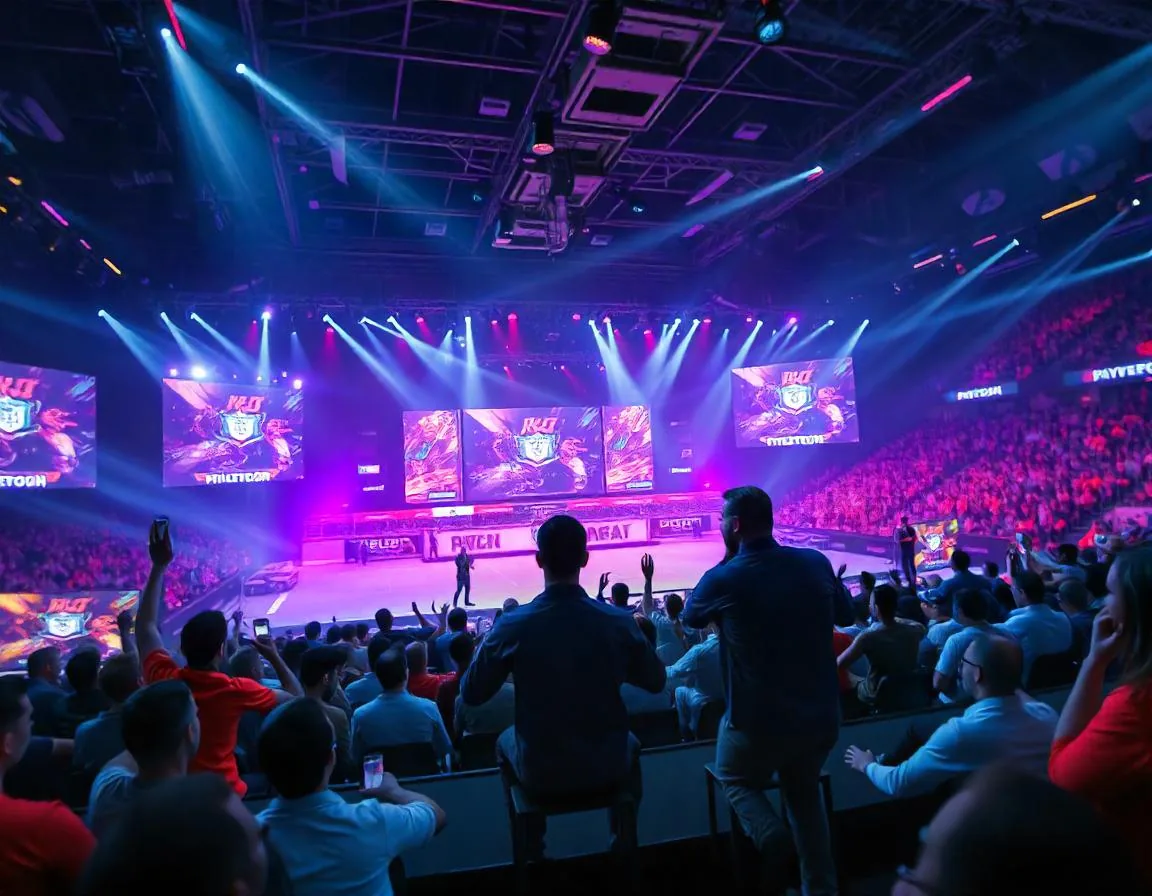
Counter-Strike, Dota 2, and League of Legends were once just pastimes. Now, Turbo Stars showcases massive tournaments for these games on Turbo Sportsbook, with prize pools rivaling those of traditional sports. Professional gamers train as rigorously as athletes, and their performances have become must-watch events in competitive gaming. The meteoric rise of eSports is not just about gaming—it's about the future of entertainment itself.
How did eSports become a phenomenon?
eSports, or electronic sports, is competitive video gaming where players or teams compete in popular games, often in organized tournaments or leagues, similar to traditional sports.
The rise of this industry is driven by a few key factors:
Tech Advancements: With the spread of high-speed internet and better gaming gear, more people can easily access and enjoy competitive gaming.
Streaming Platforms: Services like Twitch and YouTube Gaming let gamers broadcast their gameplay live, making it easy for fans to watch and support their favorite players and teams.
Professional Growth: eSports has developed its own professional leagues and tournaments, similar to traditional sports. This has attracted sponsors, advertisers, and investors, bringing more money and legitimacy to the industry.
Mainstream Media: As eSports gained popularity, major news outlets began covering events, and traditional sports teams even started their own eSports divisions.
Cultural Acceptance: Gaming has become widely accepted as a mainstream form of entertainment, helping eSports attract a larger and more diverse audience.
Statistics Today and Predictions
The global eSports market was valued at approximately $5.1 billion in 2024. Projections put it at $34.5 billion by 2034. Revenue comes primarily from sponsorships, media rights, publisher fees, digital advertising, and merchandise.
In 2024, the live segment is projected to command a 60.30% market share, driven by strong demand and growth in the sector:
- The excitement of live competition, characterized by its unpredictability and dynamic nature, is boosting viewership. Fans relish the communal experience of supporting their favorite players and teams in real-time.
- eSports tournament organizers are significantly increasing their investment in live events, enhancing the spectator experience with professional commentary, top-tier production values, and engaging in-person activities.
- The rise in mobile eSports viewership is prompting game developers to create mobile games designed for quick, action-packed matches that are optimized for live streaming. This trend is crucial for fans who want to follow and enjoy these events on the go.
Why eSports keeps growing
- Fan base is expanding — 577 million global fans as of 2024, and advertisers follow the audience.
- Major corporate investment is in tournaments, teams, and production infrastructure — not just sponsorship patches.
- Revenue is spread across sponsorships, media rights, publisher fees, merchandise, and live events, so the industry isn't dependent on any single source.
- eSports runs globally without the regional licensing complexity of traditional sports, which simplifies operator market entry.
- AR, VR, and 5G improvements are making live viewing and in-game experience measurably better year on year.
- Traditional sports teams and leagues are launching their own eSports divisions, bringing mainstream audiences in.
- University programmes and dedicated arenas are building a professional pipeline that didn't exist five years ago.
eSports betting with Turbo Sportsbook
Turbo Sportsbook covers 10,000+ live esports events per month across LoL, CS2, Dota 2, and other major titles. Operators get 24/7 risk management, desktop and mobile delivery, fiat and crypto support, free bets, cashout, and HD streaming — with odds available in fractional, American, Hong Kong, Indonesian, and Malay formats.